Skip to Content

Waiting for NDIS Support? Supporting Your Adolescent or Teen’s Independence

Waiting for an NDIS access decision, first plan or reassessment can be frustrating, especially when your young person has goals they’re ready to work towards.

But everyday life continues while you wait. There are still opportunities to explore interests, build confidence, strengthen relationships and take part in activities that matter to them.

Every young person is different. Some may want more independence with daily routines, while others are focused on friendships, communication, school or spending more time in the community.

You don’t need to turn everyday life into therapy. Small changes to routines, environments and activities can help your young person make choices, build on their strengths and participate in ways that work for them.

Here are some practical ways to support your young person while you’re waiting for NDIS funding or a decision.

Key summary

  • Young people can continue building confidence, independence and everyday skills while waiting for an NDIS access decision, plan or reassessment.
  • Start with your young person’s strengths, interests and goals. Everyone has different abilities, needs and ways of participating.
  • Everyday activities offer opportunities to practise skills, make choices, build friendships and take part in community life.
  • Families can explore support through GPs, schools, community programs and other healthcare services while waiting for NDIS funding.
  • Everyday Independence provides occupational therapy, speech pathology, physiotherapy, positive behaviour support, Habit Coaching and employment supports for eligible young people aged 9–25.

Start with what matters to your young person

You know your young person well, and their interests, strengths and preferences are a good place to start.

Rather than focusing on what they can’t yet do, think about the activities they enjoy, what they’d like to try and where they might want more choice or independence.

You could start by asking:

  • What do they enjoy doing?
  • What are they good at?
  • What would they like to do more of?
  • Is there something they’d like to try?What makes everyday activities easier or harder for them?

Young man sitting in a field on a sunny day, wearing a striped shirt and smiling.

Not every young person will communicate their goals in the same way. Some may tell you what they want, while others might show you through their choices, interests or the activities they enjoy.

There’s no need to have everything worked out. These conversations and observations can help you understand what matters most to your young person.

Make everyday routines work for them

Everyday routines can provide opportunities to build confidence, practise skills and have more control over daily life. This might include getting ready in the morning, preparing for school, organising personal belongings or planning what happens after school.

A routine doesn’t need to be rigid. What matters is finding an approach that works for your young person. If something isn’t going smoothly, think about what might be getting in the way. Would a visual checklist help? Is there too much information to remember? Would having more time, a quieter space or a different order of activities make things easier? Sometimes small changes to the environment or the way an activity happens can make a meaningful difference. The goal isn’t to make your young person fit a routine. It’s to find routines and supports that help them participate in everyday life.

For young people who need additional support with everyday activities, occupational therapy can help develop practical skills and strategies. Habit Coaching may also help young people practise skills and establish routines when appropriate funding is available.

Create opportunities for choice and independence

Independence doesn’t mean doing everything alone. It can mean having more choice and control over everyday decisions, with support when needed.

Depending on your young person’s interests, abilities and preferences, this could include:

  • Choosing how to spend their free time.
  • Deciding what to wear or take on an outing.
  • Planning part of a meal or activity.
  • Taking responsibility for a household task they enjoy.
  • Choosing how they’d like to communicate or ask for help.
  • Having more say in decisions that affect them.

These opportunities don’t need to be big. Independence doesn’t mean doing everything alone. It can mean having more choice and control over everyday decisions, with support when needed.

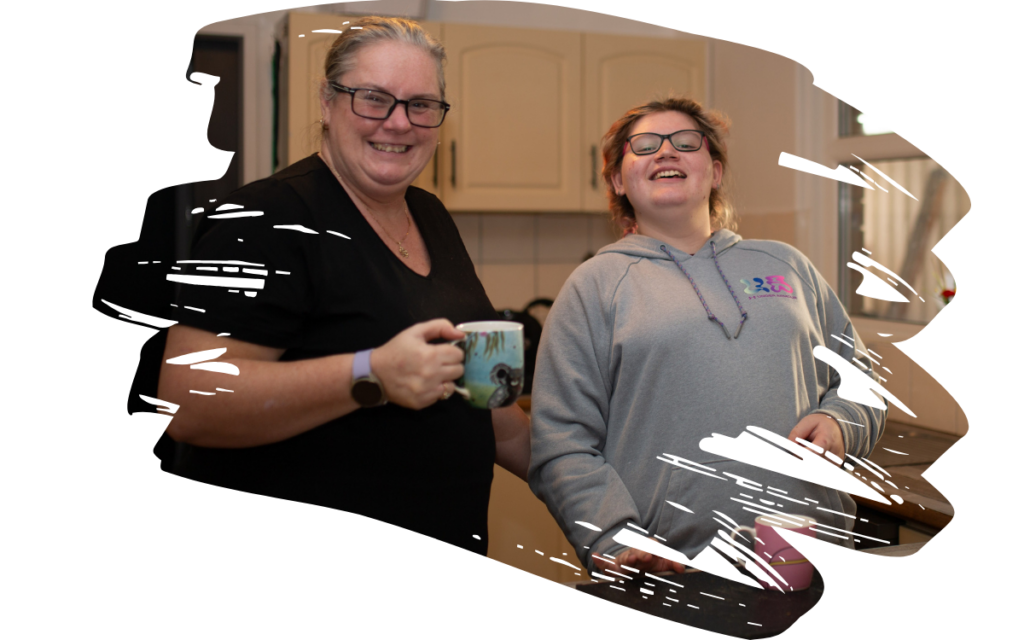
Two women in a kitchen smiling at the camera; one holds a coffee mug, the other wears a gray hoodie and glasses.

If something doesn’t work, rather than immediately taking over, consider what might make it easier next time. Perhaps your young person needs more information, extra time, a different approach or support from someone they trust.

For young people with communication support needs, speech pathology can help with expressing preferences, communicating with others and participating in everyday decisions.

Build connections through interests and activities

Friendships, relationships and feeling part of a community are important parts of everyday life. But connection looks different for everyone. Some young people enjoy spending time with groups of friends. Others prefer one-on-one friendships, shared activities or quieter environments.

Start with what your young person enjoys.

An interest in gaming might create opportunities to connect with others online or in person. Sport, music, art, animals or community activities can also provide ways to meet people and develop relationships. Think about where your young person feels comfortable and what might make it easier for them to participate. Could they try a local activity linked to their interests? Would attending with someone they know help? Is there a quieter session or a more accessible environment?

The aim isn’t to encourage young people to socialise in a particular way. It’s to help them find opportunities for connection and belonging that work for them.

Explore goals for the future

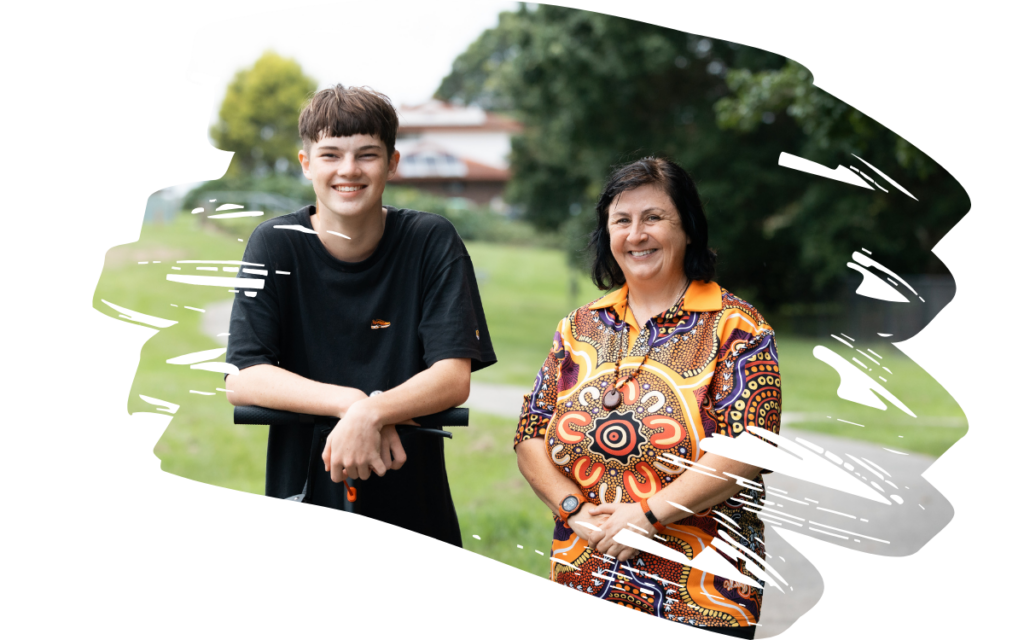
Smiling teenage boy and an adult woman standing together in a park on a sunny day, posing for the photo..

Every young person moves through life at their own pace. Some may be thinking about finishing school, further study or employment. Others might want to travel more independently, manage their money, spend more time with friends or explore different living arrangements.

There’s no set timeline for these goals, and your young person doesn’t need to have their future mapped out. You can support them by talking about their interests, exploring possibilities and helping them find information about the options available.

If employment is one of their goals, our guide to preparing young people with disability for work explores practical ways to build skills, gain experience and understand available employment supports.

Keep track of what’s working

While you’re waiting for NDIS support, it can be helpful to keep simple notes about your young person’s everyday experiences.

You don’t need to complete assessments or become your young person’s therapist.

Instead, notice the things that are already working well and where additional support might make a difference.

You might record:

  • Activities they enjoy and want to do more often.
  • Strengths and interests they’re developing.
  • Routines or strategies that work well.
  • Environments where they feel comfortable and confident.
  • Barriers that make participation harder.
  • Communication approaches that help.
  • Goals or activities they’d like to explore.

This information can be useful when speaking with therapists, teachers, support coordinators or other people involved in your young person’s support.

It may also help you explain your young person’s goals and support needs during NDIS planning conversations.

What support can you access while waiting for the NDIS?

You don’t have to wait for an NDIS decision to explore other sources of support.

Depending on your young person’s age, circumstances and needs, there may be services available through healthcare, education and community organisations.

Some options to explore include:

  • Your GP: Talk about your young person’s needs and whether Medicare-funded allied health, mental health or other healthcare services may be suitable.
  • School or education provider: Ask about learning adjustments, wellbeing supports, transition planning and opportunities to participate in school activities.
  • Community programs: Explore local youth groups, sporting clubs, recreation programs and community activities that match their interests.
  • Mental health services: Seek advice about appropriate services if your young person needs emotional or psychological support.
  • Private therapy: Some families may choose to access therapy privately while waiting for NDIS funding, depending on availability and affordability.

If you’re waiting for an access decision, first plan or reassessment, you can also contact the NDIS to check progress and ask whether any further information is needed.

If your young person already has an NDIS plan, check what funding and supports are currently available before making changes to services.

Important: If your young person needs urgent medical, mental health or safety support, seek help through the appropriate health or emergency service. The NDIS isn’t a crisis service and doesn’t replace mainstream healthcare.

How Everyday Independence supports young people

Everyday Independence supports young people with disability aged 9–25 to build skills, confidence and independence in everyday life.

Our youth supports bring together different therapists and practitioners around the young person’s goals, with support delivered at home, school, work and in the community.

Youth Services Participant, Practitioner and Parent

Depending on their needs, goals and funding, support may include:

  • Occupational therapy: Building everyday skills, managing routines, supporting sensory needs and developing independence.
  • Speech pathology: Supporting communication, self-expression, social interaction and participation.
  • Physiotherapy: Supporting movement, mobility and participation in physical activities.
  • Positive behaviour support: Understanding behaviours, improving quality of life and reducing barriers to participation.
  • Habit coaching: Providing opportunities to practise skills and build routines in everyday life.
  • Employment and vocational services: Exploring career interests, employment pathways and opportunities to develop workplace skills.

For young people accessing therapy services or employment supports, a youth lead practitioner gets to know what’s important to them, provides support and helps coordinate the right mix of therapists and practitioners around their goals.

As their interests, goals and circumstances change, their support can change too.

Your young person’s goals don’t have to wait

An NDIS decision can be an important step towards accessing funded support, but it’s only one part of your young person’s life.

While you’re waiting, keep looking for opportunities for them to make choices, enjoy their interests, connect with others and participate in everyday activities that matter to them.

Every young person has different strengths, abilities and goals. What works for one person may not work for another, and that’s okay.

When appropriate NDIS funding is available, Everyday Independence can work alongside your young person to build on what’s already working and support them towards the goals that matter to them.

Ready to explore support?

If your young person has NDIS funding and you’re looking for therapy or employment supports, our team can help you understand the services available.

Frequently asked questions

What can I do while waiting for my young person’s NDIS plan?

You can continue supporting your young person through everyday activities, exploring their interests, making choices and finding opportunities to participate at home, school and in the community. You can also explore mainstream healthcare, school and community supports while waiting for an NDIS decision.

Can my young person access therapy while waiting for NDIS funding?

Depending on their circumstances, your young person may be able to access therapy through Medicare-funded services, community health providers or private appointments. Eligibility, availability and costs vary between services.

What if my young person already has an NDIS plan and is waiting for a reassessment?

Check what funding is currently available in their plan and whether existing supports can continue. You can contact the NDIS or your plan manager for information about your circumstances. Don’t assume that requesting a reassessment automatically changes or extends funding.

How can I help my young person build independence at home?

Start with activities that matter to them. This might involve making more everyday choices, trying a new responsibility, using a visual schedule or finding different ways to complete a task. Independence can include using supports and asking for help, rather than doing everything alone.

What support does Everyday Independence offer young people?


Everyday Independence provides occupational therapy, speech pathology, physiotherapy, positive behaviour support, Habit Coaching and employment and vocational services for eligible young people. Our Youth Supports model brings practitioners together around individual goals, with services depending on funding, eligibility and availability.

Become part of the Everyday Independence community by joining our monthly newsletter to learn about latest news and events across Australia.