We’re currently forming groups for NDIS participants aged between 15-24 years in the Geelong, western Melbourne, north-western Melbourne, Melton and Ballarat areas. Groups will begin once enough participants of a similar age have registered in the area.
Ballarat
Seeking interest from all ages. Dates being confirmed.
Build confidence, meaningful connections and skills for everyday life
Everyday Relationships supports young people with disability to build friendships and connections, understand relationships, sexuality and their rights, communicate boundaries and consent, and make informed choices.
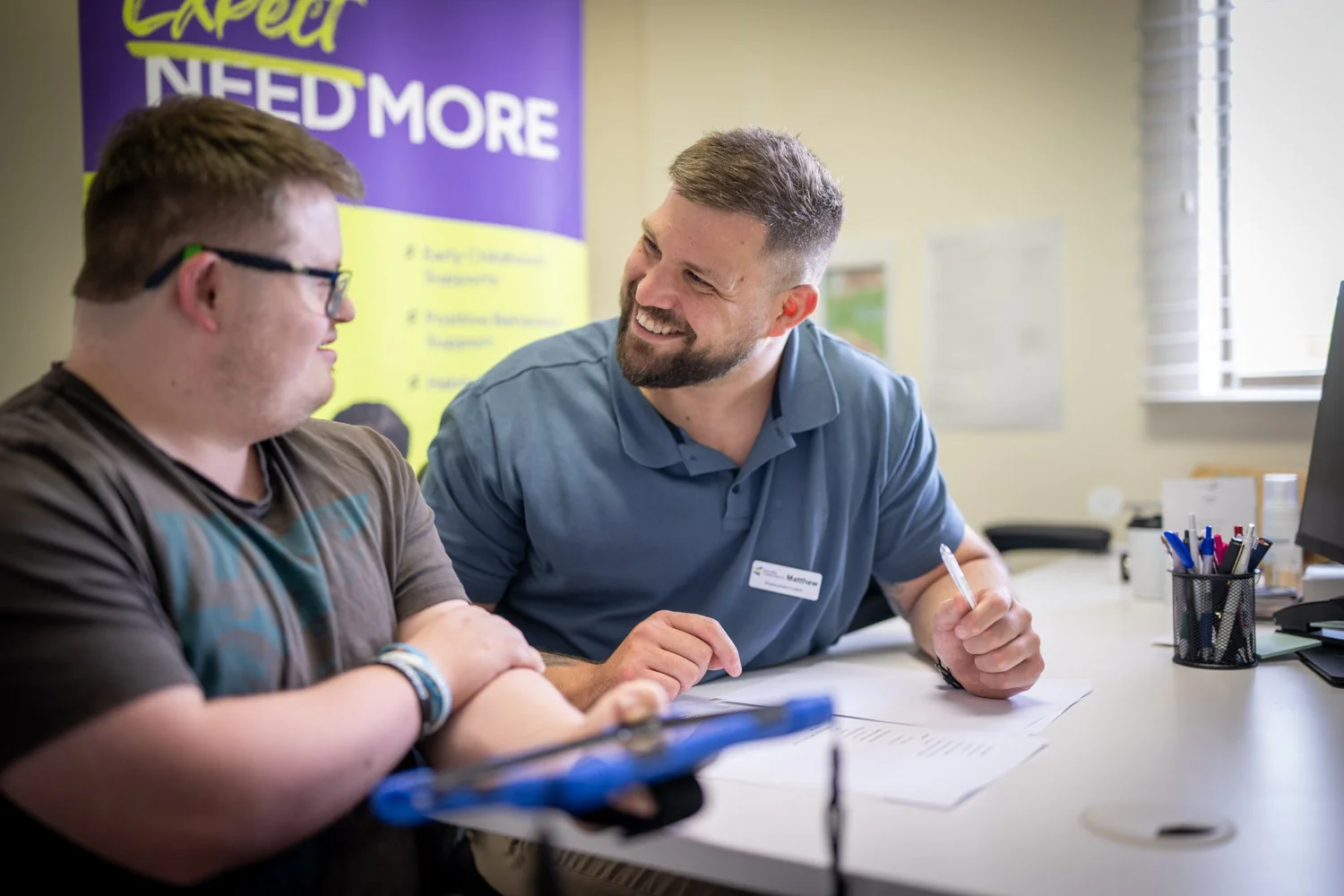
Delivered in small groups (6–8 participants) by allied health professionals, the program uses simple language, practical activities and accessible information to help participants build confidence, develop meaningful relationships and gain skills they can use in everyday life.
Schools, SIL providers, community services and other organisations are welcome to enquire about tailored programs for existing groups.
Webinar: Beyond the Therapy Session
Supporting 9–25-year-olds to build independence, relationships and future Pathways.
Through accessible, age-appropriate learning, participants build confidence, strengthen relationships, make informed choices and develop practical skills for everyday life.
Content is tailored to each participant’s stage of development, personal goals, life experiences and support needs. For younger participants, education typically focuses on self-awareness, puberty, friendships, communication, personal boundaries, consent, and body and online safety. For older adolescents and adults, topics may also include dating, intimate relationships, anatomy, sexual health, contraception, STIs, gender and sexuality.
different types of relationships
healthy relationships and respect
consent, decision making
public and private behaviour
social and dating skills
sexual health and wellbeing (anatomy and private body parts)
gender, identity and inclusion
personal safety and boundaries
online date, social media and digital boundaries
where to find reliable information and support.
Participants learn in a respectful and supportive environment where they can ask questions and explore topics that can sometimes be difficult to discuss.
Why relationship and sexual health education matters
People with disability have the same rights as everyone else to form friendships and relationships, express their identity, explore their sexuality and make informed choices.
Accessible education can support people to develop positive relationships and participate more confidently in social, dating and intimate situations. It can also help people understand consent, communicate boundaries and recognise potentially unsafe situations.
What makes the program different?
Everyday Relationships combines individual support with accessible group learning. Participants can:
meet one-to-one with the facilitator before and after the group program
learn alongside people of a similar stage of development
explore topics suited to their age, experiences and learning needs
take part in practical activities based on everyday situations
ask questions in a respectful and supportive environment
build knowledge and skills they can use in their relationships and everyday lives.
Programs like this are really important for teenagers with disability. As parents, we can’t always focus on every aspect of relationships and social development, and sometimes our children don’t want to talk to us about these topics.
Having a trusted third party involved gives them a safe space to learn, ask questions and know how to stay safe.
– Jo, Ryan’s mum
Everyday Relationships Program flyer for participants, parents and carers
PDF 2.3mb
Everyday Relationships Program flyer for schools and organisations
PDF 2.4mb
Register your interest
Individuals, families, support coordinators and organisations are welcome to register their interest by completing the form below. A member of our team will be in touch to discuss your needs in more detail, availability, and pricing.
A trusted, registered NDIS provider
For over 25 years, Everyday Independence has delivered evidence-based supports that help people with disabilities build independence, confidence and wellbeing in everyday life.
What does the program look like?
The program includes three stages.
Pre-program assessment: 1 hr individual session to understand each participant’s learning and support needs.
Small-group sessions: six 2hr sessions with similar-aged participants. Limited to eight participants.
Post-program assessment: 1 hr individual session to review learning and discuss possible next steps.
Is there an age limit?
No. The program is available to people with disability of all ages. Groups and content are tailored to participants’ ages, experiences and learning needs.
What NDIS funding is needed?
NDIS participants will need Capacity Building funding in their NDIS plan to take part in the program. Participants will pay the full cost of their individual pre- and post-program sessions, while the cost of the six group sessions will be shared among participants.
Our team can help confirm whether the program aligns with the participant’s funding and goals.
Are children and adults placed in the same group?
No, children, teens and adults learn in separate, age appropriate groups. We discuss the proposed group and delivery approach with participants, families or organisations before the program begins.
Do I need to be an Everyday Independence client?
No. NDIS participants do not need to receive other services from Everyday Independence.
How will I know what to expect?
Before the session commences, we’ll take you, your parents or carers through what we will cover in the sessions.
Become part of the Everyday Independence community by joining our monthly newsletter to learn about latest news and events across Australia.