Skip to Content

Developmental Milestones for Children Aged 0–8

Understanding developmental milestones for children aged 0–8

Developmental milestones are skills and behaviours that most children develop within a general age range. They include communication, movement, learning, play, social and emotional development, and everyday life skills.

Examples include a baby smiling in response to another person, a toddler taking their first steps or a school-aged child learning to read and write.

Milestones can help you understand how your child’s development is progressing, but they are a guide rather than a checklist. Every child develops differently and may build skills at different times.

If your child is not reaching a milestone within the expected age range, it doesn’t automatically mean something is wrong. However, it could be helpful to speak with a qualified health professional, or explore early childhood supports for your child.
Early Childhood Supports for Children with Disabilities Under nine years

What are developmental milestones?

Developmental milestones describe the skills children often develop as they grow. They can help parents, carers and professionals understand how a child is learning, communicating, moving and participating in everyday life.

Milestones are usually grouped into areas such as:

  • Communication and language
  • Movement and physical development
  • Learning and problem-solving
  • Play skills
  • Social and emotional development
  • Independence and everyday life skills.

Children do not always develop skills at the same rate across every area. For example, a child may build movement skills quickly while taking longer to develop communication skills. Another child may communicate confidently but need more support with coordination or everyday routines.

These differences are often part of each child’s individual development.

Developmental milestones by age

The following examples provide a general picture of skills children may develop at different ages. They are not intended to assess or diagnose a child’s development.

AgeExamples of common milestones
0–12 MonthsBabies begin to smile, babble and make sounds. They turn towards voices, reach for toys and objects, and start to roll, sit and move to explore their environment.
1–2 YearsToddlers become more mobile, take their first steps and begin using first words and simple communication. They also start exploring play alongside other children.
3–5 YearsChildren may use longer sentences, engage in imaginative and pretend play, follow simple rules and routines, and build friendships through play with other children.
6–8 YearsChildren continue strengthening reading and writing skills, building stronger friendships and managing more everyday tasks independently.

Every child develops in their own way. Some children may reach particular milestones earlier or later than these general age ranges.

For more detailed developmental information, visit Healthdirect’s developmental milestones guide.

Why are the early years so important?

The early years provide many opportunities for children to learn through relationships, play, everyday routines and their environments.

Activities such as getting dressed, sharing a meal, playing at the park, attending childcare or kindergarten and spending time with family all provide opportunities to practise different skills.

Children can use these everyday experiences to build:

  • communication and relationships
  • movement and coordination
  • emotional regulation
  • problem-solving
    independence
  • confidence participating in everyday activities.

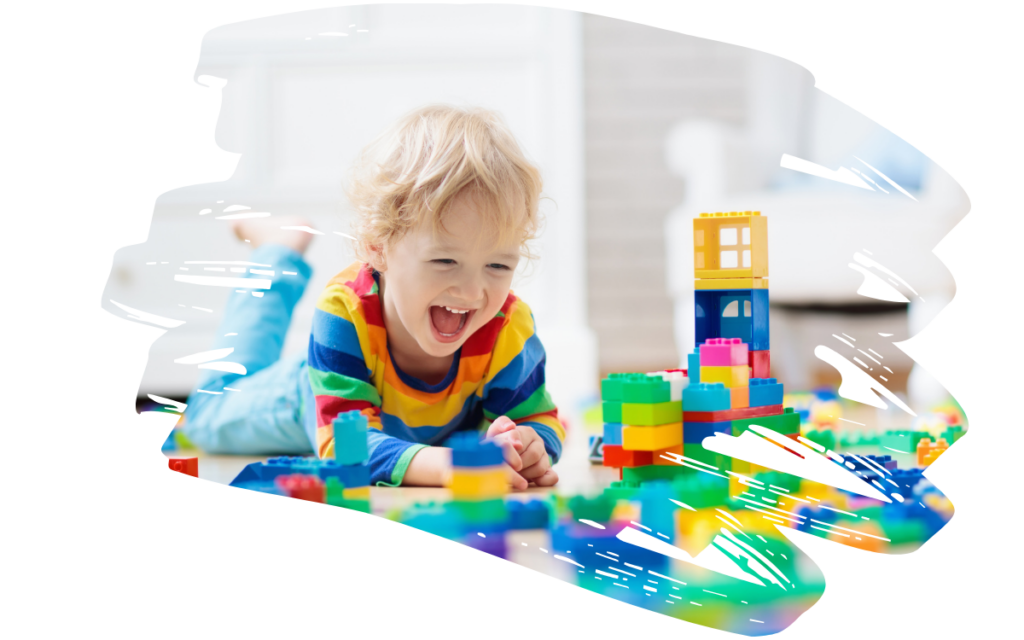
Young child lying on the floor, smiling, while playing with colorful building blocks in a bright playroom.

Recognising that a child may need additional support can help families find practical strategies that fit into these familiar activities and routines.

What if my child isn’t meeting their milestones?

It is understandable to have questions or concerns when your child does not appear to be developing skills at the same pace as other children.

Remember that children develop differently, and there is a wide range of what is considered typical development.

However, if you notice your child is not reaching milestones, has stopped using skills they previously had or something simply does not feel quite right, trust your instincts. Reaching out for support can help you better understand your child’s development and whether additional support may be beneficial.

Consider seeking advice if your child is not developing skills within the usual age range, has stopped using skills they previously had, or you have ongoing concerns about their development or participation in everyday activities.

You know your child best. Seeking advice does not necessarily mean your child has a developmental delay or disability. It can help you understand their development and decide whether further assessment or support would be useful.

If you have questions or concerns, consider speaking with your:

  • GP
  • Child and family health nurse
  • Early childhood educator
  • Pediatrician
  • allied health provider.

child playing with toys

If your child has stopped using skills they previously had, speak with your GP, paediatrician or another qualified health professional.

How can early support help?

Early support can help children build important skills for everyday life, learning and participation.

When concerns are identified early, families can access practical strategies and supports that help children build confidence, independence and participation in meaningful activities.

Support is not about changing who your child is. It is about helping them build the skills they need to participate in everyday life in ways that work for them and their family.

How Everyday Independence supports children and families

Our child and family teams work alongside your whole family to understand your child’s strengths, your everyday routines and the goals that matter most to you.

Support takes place where everyday life happens, including at home, childcare, kindergarten, school and in the community. This gives your child opportunities to practise skills in familiar activities and environments.

For children aged 0–8 with developmental delay or disability, support is delivered through a key worker model. Your early childhood key worker provides most of your child’s support and brings in occupational therapists, speech pathologists, physiotherapists, behaviour support practitioners and other practitioners when their expertise is needed.

This gives your family one main practitioner and one coordinated plan, supported by the knowledge of a broader therapy team.

When choosing support for your child, our guide to choosing an NDIS therapy provider can help you understand what to look for and what questions to ask.

Looking to support your child’s development?

If you’re child has their NDIS plan and you’re looking to get therapy started, complete an enquiry form

*Every child develops and participates in everyday life in their own way. The information in this article is general in nature and is not intended to replace personalised advice. If you have questions about your child’s development, wellbeing or support needs, we encourage you to speak with your therapist, GP or other qualified health professional.

Clinically reviewed by Mel Thompson, Early Childhood Practice Lead, Everyday Independence.

Date published: August 2026

Frequently Asked Questions

Are developmental milestones the same for every child?

No. Developmental milestones describe skills children often develop within a general age range, but children can reach them at different times and develop at different rates across different areas.

What should I do if my child is not meeting developmental milestones?

Speak with your GP, child and family health nurse, paediatrician, early childhood educator or allied health professional. They can help you understand whether further assessment or support would be useful.

Can a child be ahead in one area and need support in another?

Yes. A child might develop movement skills quickly while taking longer to develop communication, social or everyday life skills.

Does my child need an NDIS plan to receive support?

Everyday Independence provides early childhood supports to NDIS participants.

Sign up to our newsletter

Become part of the Everyday Independence community by joining our monthly newsletter to learn about latest news and events across Australia.