
Skip to Content

Supporting Siblings of Children with Disability or Developmental Delay

When a child in your family has a disability or developmental delay, their brothers and sisters are part of the journey too.

Siblings can experience a wide range of emotions. They may feel love and protectiveness, but they can also feel confused, worried, frustrated, jealous or guilty at times.

These feelings are completely normal. Every child responds differently to their family circumstances, and emotions often change as children grow and their understanding develops.
With the right support, siblings can develop valuable strengths, including compassion, resilience and a deep appreciation for different experiences of life.*
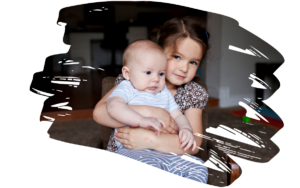

Why supporting siblings of children with disability matters

When families are focused on therapies, appointments and supporting a child’s additional needs, it can be easy for siblings’ experiences to go unnoticed.

Siblings are also adjusting to family routines, changes and challenges. Taking time to understand their feelings and provide support can help them feel valued, understood and connected.

Supporting siblings does not mean taking attention away from your child with disability or developmental delay. It means recognising that every family member’s wellbeing matters.

Help siblings talk about their feelings

Children need to know that it is okay to experience a mix of emotions.

A sibling may feel proud of their brother or sister one day and frustrated the next. They may worry about their sibling or wonder why family routines look different from those of their friends.

Creating opportunities for open conversations can help children feel safe sharing their thoughts and feelings.

Listening without judgement and reassuring them that their feelings make sense can help them feel heard and understood.

Use simple language to explain disability

Children often notice more than adults realise.

When they do not understand why their sibling behaves differently or needs additional support, they may fill the gaps with their own explanations, which can sometimes increase worry or confusion.

Using simple, age-appropriate language can help siblings understand their brother or sister’s needs and make sense of what is happening around them.

Children generally cope better when they feel informed and included in family conversations.

Make time for every child

When family life becomes busy, dedicated time with each child can make a meaningful difference.

One-on-one time does not have to be complicated or lengthy. It might be:

  • Going for a walk together
  • Reading a book
  • Playing a game
  • Talking about their day

These moments help reinforce an important message: they matter too.

Include siblings in the family journey

Many siblings benefit from feeling included in the family’s journey.

This might involve helping them understand therapy goals, celebrating achievements together or encouraging them to participate in conversations that are appropriate for their age and understanding.

Including siblings can help build connection, strengthen family relationships and create a sense of belonging. It also helps children see themselves as an important part of their family’s support network.

Help siblings build connection and belonging

Sometimes it helps to meet other children and families who have similar experiences.

Sibling support programs, community groups and peer connections can help children realise they are not alone.

Meeting others who understand their experiences can provide reassurance, reduce feelings of isolation and create opportunities to share and learn from one another.

Finding support for your child and family

When a child needs additional support, it can affect many parts of family life.

At Everyday Independence, we work alongside families to help children build skills and participate in everyday activities.

For children aged 0–8 with developmental delay or disability, support is often delivered through a key worker model. Your early childhood key worker provides most of your child’s support and works closely with occupational therapists, speech pathologists, physiotherapists, behaviour support practitioners and other therapists as needed. This means your child benefits from the expertise of an entire therapy team while having one dedicated person who gets to know your child, your family and your goals. Together, they help build your child’s skills, confidence and participation in everyday life.

If you’d like to learn more about how we can support your child, our team is here to help.

*Every child develops and participates in everyday life in their own way. The information in this article is general in nature and is not intended to replace personalised advice. If you have questions about your child’s development, wellbeing or support needs, we encourage you to speak with your therapist, GP or other qualified health professional.

Sign up to our newsletter

Become part of the Everyday Independence community by joining our monthly newsletter to learn about latest news and events across Australia.