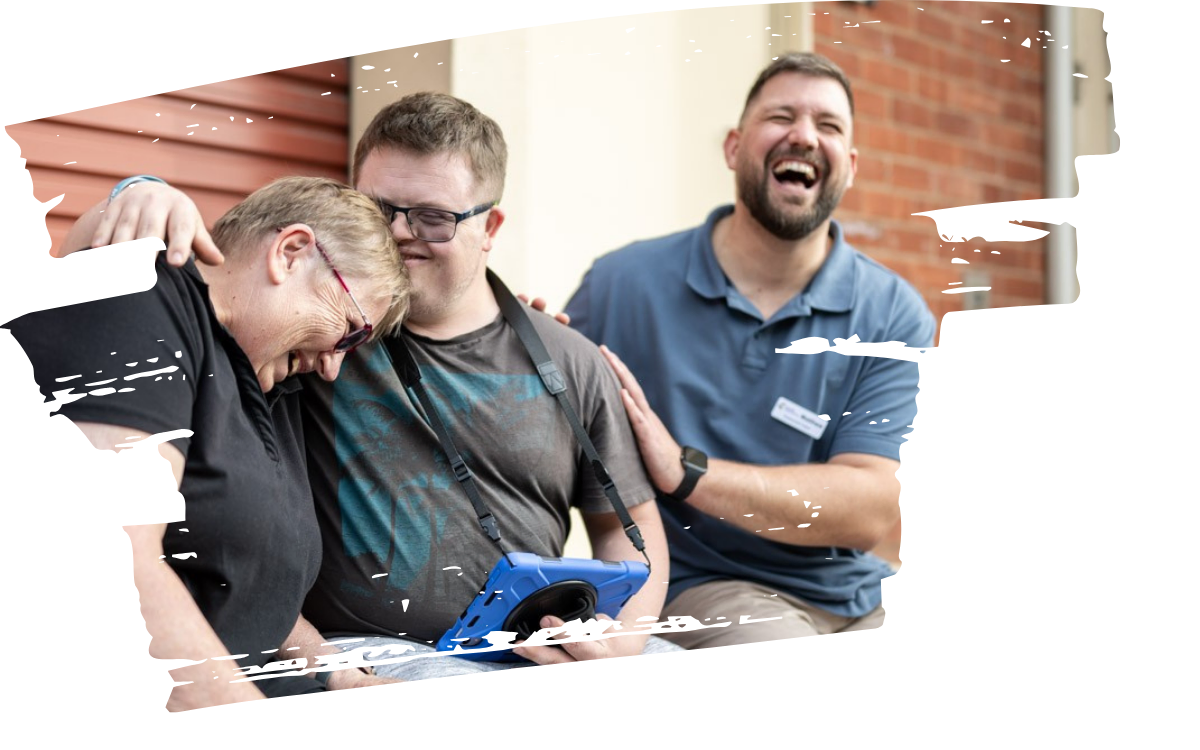
From getting through the day with greater ease to achieving bigger life goals, our team helps children, teenagers and adults build the skills, confidence and independence to participate more fully in everyday life.
National NDIS Registered Provider. Servicing Greater Sydney. OT for Children, Teens, Adults.
Occupational Therapy Sydney
Looking for an occupational therapist in Sydney?
Everyday Independence provides NDIS occupational therapy across Sydney to children, teenagers and adults with disability. Our Sydney occupational therapists help people develop everyday skills, increase independence and participate more fully in life at home, school, work and in the community.
An occupational therapist in Sydney helps people build the skills, confidence and independence needed for everyday life. Occupational therapy can support children, teenagers and adults to participate more fully at home, school, work and in the community.
Occupational therapists may help with self-care, daily routines, sensory processing, emotional regulation, school participation, employment, assistive technology and community access.
At Everyday Independence, support may be delivered by an occupational therapist, key worker or youth lead practitioner. They work alongside speech pathologists, physiotherapists, behaviour support practitioners and habit coaches to help you achieve your goals.
Our Sydney therapists provide support in the environments where everyday life happens, including at home, school, childcare, work and in the community. This approach is often described as home-based occupational therapy and helps ensure strategies are practical, relevant and easy to apply.
At Everyday Independence our occupational therapists travel to you. Therapy can take place at home, school, childcare, work or in the community, making support more accessible and meaningful. We call this the Everyday Way and it’s about making sure your NDIS funded therapy delivers more positive life change than you imagined possible.
One Team Around Your Goals
Depending on your age and goals, your primary practitioner may be an occupational therapist, key worker or youth lead practitioner.
For children under nine, this is often an early childhood key worker. For young people aged 9–25, this may be a youth lead practitioner. They deliver much of the support directly and bring in occupational therapists, speech pathologists, physiotherapists and other practitioners when specialised therapy and advice is needed.
This means you have one person leading your support, while having access to a wide range of therapists when additional expertise is needed.
Every person is different. We take the time to understand your strengths, goals and what’s important to you.
Step 2
We’ll match you with the right team
Depending on your age and circumstances, this may be an occupational therapist, key worker or youth lead practitioner and team of practitioners.
Step 3
You’re ready to start building skills and confidence
Support takes place in the environments where you live, learn, work and socialise, helping you achieve meaningful outcomes in everyday life.
Other Services Available in Sydney
We provide therapy and employment services across Sydney including:
NDIS Speech Pathology Sydney
NDIS Physiotherapy Sydney
NDIS Early Childhood Supports Sydney
NDIS Positive Behaviour Support Sydney
NDIS Habit Coaches Sydney
NDIS Youth Employment and Vocational Services Sydney
Frequently Asked Questions
Looking for an NDIS occupational therapist in Sydney?
Everyday Independence provides NDIS occupational therapy across Sydney for children, teenagers and adults with disability. Our occupational therapists help people develop everyday skills, build confidence and participate more fully in the activities that are important to them.
What can occupational therapy help with?
Occupational therapy focuses on helping people do the things they need and want to do every day. This may include managing routines, developing self-care skills, participating at school or work, building independence, accessing the community, using assistive technology and supporting emotional regulation or sensory needs.
What areas of Sydney do you provide occupational therapy services in?
We have teams of therapists and practitioners based in therapy hubs across Sydney who service suburbs including Penrith, Paramatta, Sutherland, Liverpool, Granville, Bankstown and surrounding areas. They all offer NDIS therapy services like occupational therapy, speech pathology, physiotherapy, positive behaviour support, early childhood supports, employment and vocational services, and habit coaching.
Why choose Everyday Independence for occupational therapy in Sydney?
At Everyday Independence, occupational therapy is delivered differently. Rather than attending a clinic, support takes place in the environments where everyday life happens, including at home, school, work and in the community.
We use a social model approach, focusing on helping people participate more fully in the activities that matter most to them. Depending on your goals, your occupational therapist may work alongside speech pathologists, physiotherapists, behaviour support practitioners, habit coaches, key workers and youth lead practitioners.
With a large team of experienced practitioners across Sydney, we can bring together the right skills and expertise to support your needs, while ensuring therapy remains coordinated, practical and focused on achieving meaningful outcomes.
What should I expect from my first OT appointment?
Your first appointment is an opportunity for us to get to know you, understand what’s important to you and learn more about your goals, strengths and everyday life. We’ll discuss the activities you’d like to do more independently, any challenges you’re experiencing and the outcomes you’d like to achieve.
Depending on your age and circumstances, your first appointment may be with an occupational therapist, key worker or youth lead practitioner. They’ll take the time to understand your needs and identify the best approach to support you. This may include bringing together other practitioners such as speech pathologists, physiotherapists, behaviour support practitioners or habit coaches if additional expertise is needed.
Together, we’ll develop a personalised plan focused on helping you build skills, increase independence and participate more fully in everyday life.
What happens after the first appointment?
After your first appointment, you’ll have a personalised therapy plan designed around your goals and everyday life.
This may include:
A customised therapy plan with clear goals and structured support
A primary therapist, key worker or youth lead practitioner who leads your therapy and tracks your progress
Access to other practitioners when additional expertise is needed, such as occupational therapists, speech pathologists, physiotherapists, behaviour support practitioners or habit coaches
Therapy delivered in the environments where you live, learn, work and socialise.
Depending on your goals, support may include a period of more intensive therapy followed by ongoing practice and skill development. For example, a therapist may work closely with you to develop new skills, while a habit coach helps you build confidence and apply those skills consistently in everyday life.
Can an occupational therapist help with an NDIS Functional Capacity Assessment?
Yes. Our Sydney occupational therapists complete Functional Capacity Assessments (FCAs) for children, teenagers and adults. A Functional Capacity Assessment helps identify a person’s strengths, support needs and everyday functioning, and can be used to inform NDIS access requests, plan reviews and funding recommendations.
Does Everyday Independence provide occupational therapy for children in Sydney?
Our paediatric occupational therapists support children to build everyday skills, confidence and independence through play, learning and participation in family and community life. Paediatric occupational therapy may help with emotional regulation, sensory processing, self-care, school readiness and social skills. For children under nine years, support is often delivered through our Early Childhood Supports program using a key worker approach.
How do you support teenagers and young adults?
We help teenagers and young adults aged 10 – 26, build independence and prepare for adult life. Depending on their goals, support may focus on emotional regulation, social skills, community participation, daily living skills, education, employment and building confidence. Many young people work with a Youth Lead Practitioner who brings together the right therapy team, including occupational therapists when needed.
Is occupational therapy available for adults?
Yes. Our Sydney occupational therapists support adults with disability to achieve goals that matter to them. This may include developing daily living skills, accessing the community, using assistive technology, maintaining employment, increasing independence and improving participation in everyday activities.
Where does occupational therapy take place?
Occupational therapy takes place in the environments where you live, learn, work and socialise. This may include your home, school, childcare setting, workplace or local community. Delivering therapy in real-life environments helps make strategies practical, meaningful and easier to apply.
Do you provide home-based occupational therapy in Sydney?
Yes. Everyday Independence provides home-based occupational therapy across Sydney. Our occupational therapists, key workers and youth lead practitioners support people in their homes, schools, workplaces and communities, helping develop skills where they are used every day.
Can occupational therapy support autistic people?
Yes. Occupational therapy can support autistic children, teenagers and adults to build skills, develop strategies, increase independence and participate more fully in everyday life. Support is tailored to each person’s strengths, preferences and goals.
How can I access occupational therapy in Sydney?
Simply contact our team to discuss your goals and support needs. We’ll help you understand your options, answer any questions about NDIS occupational therapy and connect you with the right practitioner or therapy team.
Do you provide paediatric occupational therapy in Sydney?
Yes. Our paediatric occupational therapists support children of all ages through the NDIS. Therapy may help with play skills, emotional regulation, sensory processing, self-care, school participation and building independence in everyday activities.
AAC: Supporting Dianne’s Communication
Learn how Dianne explored augmentative and alternative communication, including an iPad app and printed keyboard, for conversations and appointments.