
Skip to Content

Encouraging Social Connections Through Play

Play is the language of childhood. It’s how children make sense of the world, build relationships and develop skills they’ll use throughout their lives.

For children with disability or developmental delay, forming friendships and navigating social situations can sometimes be more challenging. However, opportunities to connect with others and participate in play remain an important part of childhood.

Through play, children can learn, practise and build the skills they need to participate in everyday life.
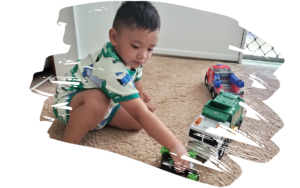

child playing with toys

Why is social play important?

Social connection through play gives children opportunities to:

  • Build communication and turn-taking skills
  • Develop confidence and a sense of belonging
  • Learn about emotions and relationships
  • Navigate everyday challenges with others
  • Experience creativity, enjoyment and fun

Play also helps children discover shared interests, build friendships and feel connected to their community.

Social learning happens in everyday moments

You don’t need special toys, expensive equipment or elaborate activities to support social development. Some of the most meaningful learning happens during everyday experiences like:

  • Sharing a snack with a friend
  • Building blocks together
  • Playing in the backyard
  • Visiting a local playground or park
  • Taking part in family activities

These everyday moments create natural opportunities for children to communicate, cooperate and connect with others.

Simple ways to encourage social play

Follow your child’s lead

Pay attention to what interests and excites your child.

When children are engaged in activities they enjoy, they are often more motivated to interact with others. Finding opportunities to share these interests can help make social experiences feel more comfortable and enjoyable.

Start small

Building social confidence takes time.

For some children, one-on-one play with a familiar child can be a great starting point. Smaller, predictable interactions can help children build confidence before moving into larger groups or new environments.

Be their playmate

Parents and caregivers play an important role in helping children learn social skills.

Playing alongside your child, commenting on what they are doing and joining in their activities can help build connection while modelling communication and social interaction in a natural way.

Reach out to your community

Playgroups, early childhood services, sporting activities and community programs can provide valuable opportunities for children to connect with others.

These environments allow children to practise social skills and build relationships in real-life situations that are meaningful to them.

Supporting social connections through everyday life

Building friendships and social confidence doesn’t happen in a single session or activity. It develops through regular opportunities to connect, play and participate with others over time.

At Everyday Independence, our early childhood key workers support families to identify meaningful opportunities for social connection within everyday life. We work alongside you to develop practical strategies that help your child build confidence, participate in activities they enjoy and connect with the people around them.

Our child and family teams are here to support you, your child and the goals that matter to your family.

Clinical Career Pathways

Choose from seven clinical career pathways on your journey towards becoming a change maker.

Clinical Career Pathways

Grow your clinical career by selecting from seven different career pathways.

Sign up to our newsletter

Become part of the Everyday Independence community by joining our monthly newsletter to learn about latest news and events across Australia.