
Tips for parents and carers to support children to ...
Continue ReadingNews and Events
Building Emotional Resilience to Support New School Transitions
A new school year brings change—new classrooms, new teachers, new expectations, and sometimes a brand‑new school altogether. For many children, these changes can feel exciting and overwhelming at the same time. One of the most helpful ways to prepare them for these moments is by building emotional resilience.
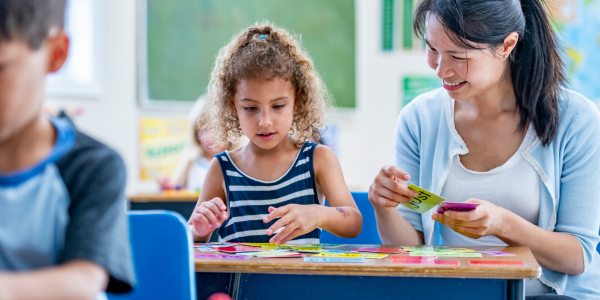
Emotional resilience is the ability to cope with challenges, adapt to new situations, and keep going after setbacks. When children and teens learn these skills, they feel more confident stepping into new learning environments.
Below are simple, family‑friendly strategies to help your child develop resilience and feel ready for their next transition—with guidance for both primary schoolers and students moving into high school.
1. Help Your Child Name and Understand Their Feelings
Big school changes often come with big emotions. Teaching children and teens to recognise and name their feelings helps them feel more in control.
For primary schoolers
- Do a simple daily feelings check‑in (e.g., happy / nervous / excited / unsure).
- Use visuals: a feelings chart, emojis, or a 1–5 scale.
- Share your own feelings calmly (“I feel a bit nervous when things change too, but I know I’ll be okay.”)
For students transitioning to high school
- Expand the vocabulary: overwhelmed, uncertain, left out, curious, pressured, excited but nervous.
- Separate facts from fears (e.g., Fact: “It’s a bigger school.” Fear: “I’ll never find my class.”).
- Use “traffic lights”: Green (ready), Yellow (unsure), Red (stressed) to reduce overwhelm.
Why it helps: Understanding emotions is the first step to managing them.
2. Create Predictable Routines at Home
When everything at school feels new, calm routines at home provide stability and safety.
For primary schoolers
- Keep mornings simple: wake‑up → breakfast → get dressed → bag check → out the door.
- Use a visual routine chart and pack the bag the night before.
- Consistent bedtime and screen wind‑down help with emotional regulation.
For students transitioning to high school
- Build an evening setup routine: check timetable, lay out uniform, charge devices, pack bag.
- Use one central calendar for assignments, sport, and transport.
- Practice a calm morning rhythm: avoid heavy conversations before leaving.
Why it helps: Predictability lowers stress and supports smoother transitions.
3. Practice New Situations Together
Resilience grows with experience. Rehearsing “tricky” moments reduces uncertainty.
For primary schoolers
- Visit the school, meet the teacher, find the bag hooks and toilets.
- Practise drop‑off goodbyes and unpacking the school bag.
- Role‑play asking a teacher for help.
For students transitioning to high school
- Walk the campus or use a map to trace class routes.
- Practise locker routines, reading timetables, and using public transport.
- Role‑play realistic scenarios: being late to class, asking for help, finding a seat at lunch.
Why it helps: Familiarity shrinks fear and builds confidence.
4. Encourage Problem-Solving, Not Perfection
Resilience doesn’t mean avoiding challenges – it’s about learning what to do when they appear.
For primary schoolers
- Ask: “What could we try next time?”
- Offer two choices to build agency.
- Celebrate small problem‑solving steps.
For students transitioning to high school
- Use coaching questions: “What’s one step you can take?” “Who at school could help?”
- Debrief after tough moments: “What worked? What didn’t? What will you try tomorrow?”
- Focus on progress over perfection.
Why it helps: Kids and teens learn to trust themselves.
5. Celebrate the Effort, Not Just the Outcome
Starting somewhere new takes courage. Praise the steps your child takes – big or small.
For primary schoolers
- “You were brave walking into class today.”
- “You tried something new even though it felt scary.”
- Use a “stars of the day” moment after school.
For students transitioning to high school
- “You showed up even when you felt unsure.”
- “You asked a question in class – that took courage.”
- Track two “wins” each day (organisation, social, learning).
Why it helps: Effort‑based praise builds a growth mindset and resilience.
6. Building Independence in Simple Everyday Ways
Independence boosts resilience, which supports resilience during transitions.
For primary schoolers
- Pack part of their bag, carry belongings, choose a snack or outfit.
- Practise putting on shoes/hat/jumper independently.
- Use short checklists for morning jobs.
For students transitioning to high school
- Own the timetable: pack books the night before, set personal alarms.
- Use simple systems: one homework list, one calendar, one inbox routine.
- Manage canteen money/transport card and understand school rules.
Why it helps: Capability → confidence → resilience.
7. Make Time For Rest and Recovery
Transitions use lots of emotional energy. Recovery prevents overwhelm.
For primary schoolers
- After school: quiet play, a snack, time outside, or screen‑free down time.
- Keep afternoons simple in the first weeks.
For students transitioning to high school
- Plan decompression: music, movement, a short walk, or sport.
- Protect sleep—consistent bed/wake times and device wind‑down.
- Don’t interrogate the day right away; check in later.
Why it helps: A regulated body supports a regulated brain.
8. Model Resilience at Home
Children and teens learn by watching the adults around them.. Show that it’s okay to feel unsure and still move forward.
For primary schoolers
- Use simple language: “New things feel hard at first, then easier.”
- Show calming strategies: slow breathing, naming your feeling, taking a break.
- Narrate problem‑solving out loud.
For students transitioning to high school
- Be authentic: share a time you started somewhere new and what helped.
- Model realistic self‑talk: “I’m anxious and capable.”
- Demonstrate planning and follow‑through (lists, schedules, asking for help).
Why it helps: Your calm presence strengthens their sense of safety.
9. Connect With the School Team
Schools and families working together create support for children. If your child is finding the transition tricky, talk with their teacher early. They can share routines, expectations, and strategies that work well at school – so you can support the same skills at home.
For primary schoolers
- Share strengths, interests, triggers, and helpful strategies with the teacher.
- Ask about routines so you can mirror them at home.
- Check in early if drop‑offs or separations are tricky.
For students transitioning to high school
- Identify a “go‑to” adult (roll‑class teacher, year‑level coordinator, wellbeing staff).
- Ask about transition supports: peer mentors, lunchtime clubs, wellbeing programs.
- Collaborate on a gentle re‑entry plan if attendance or anxiety wobbles.
Why it helps: A united approach reduces misunderstandings.
10. Remember Resilience Grows Over Time
Some children settle quickly; others need more time. That;s normal. Resilience is a lifelong skill, and transitions are one of the best opportunities to practice it.
For primary schoolers
- Expect the first few weeks to feel big; routines will help.
- Remind them: “Every day you practise, it gets a little easier.”
For students transitioning to high school
- Normalise the timeline:
- Term 1: settling and experimenting
- Term 2: building comfort and routines
- Term 3: finding “your people”
- Term 4: confidence and identity forming
- Reassure: friendships are fluid; it’s okay not to find “your group” straight away.
Why it helps: Patience + consistent strategies = long‑term confidence.
Read more about our therapy services and what you can expect when our dedicated team works with your child and family to achieve the outcomes you desire.
To explore how we can assist your child and family, please complete our online enquiry form or call us at 1300 179 131.

Become part of the Everyday Independence community by joining our monthly newsletter to learn about latest news and events across Australia.
