
Start early by building routines, visiting the school, practising new situations, and working closely with teachers and therapists.
Our speech pathologists work alongside participants and ...
Continue ReadingA new school year brings change – new classrooms, new teachers, new expectations, and sometimes a brand‑new school altogether. For children with disabilities and developmental delay, these transitions can feel especially overwhelming. Changes to routine, new environments and increased social demands can impact emotional regulation, confidence and independence.
Building emotional resilience can help children adapt to new situations, manage big feelings, and feel more confident to stepping into school, whether starting primary school or transitioning to high school.
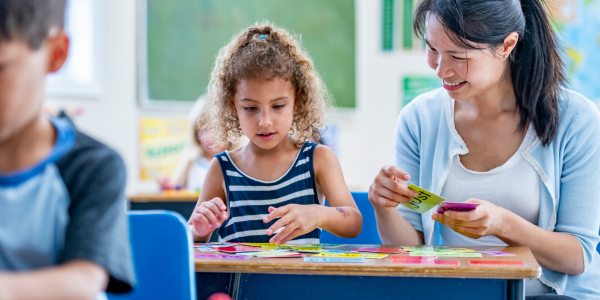
Below are simple, general, family‑friendly strategies that may help your child develop resilience and feel ready for their next transition, with guidance for both primary schoolers and students moving into high school. Because every child’s needs are different, tailored therapy support can help identify the approaches that will work best for your family.
Big school changes often come with big emotions. Teaching children and teens to recognise and name their feelings helps them feel more in control.
For primary schoolers
For students transitioning to high school
Why it helps: Understanding emotions is the first step to managing them.
When everything at school feels new, calm routines at home provide stability and safety.
For primary schoolers
For students transitioning to high school
Why it helps: Predictability lowers stress and supports smoother transitions.
Resilience grows with experience. Rehearsing “tricky” moments reduces uncertainty.
For primary schoolers
For students transitioning to high school
Why it helps: Familiarity shrinks fear and builds confidence.
Resilience doesn’t mean avoiding challenges – it’s about learning what to do when they appear.
For primary schoolers
For students transitioning to high school
Why it helps: Kids and teens learn to trust themselves.
Starting somewhere new takes courage. Praise the steps your child takes – big or small.
For primary schoolers
For students transitioning to high school
Why it helps: Effort‑based praise builds a growth mindset and resilience.
Independence boosts resilience, which supports resilience during transitions.
For primary schoolers
For students transitioning to high school
Why it helps: Capability → confidence → resilience.
Transitions use lots of emotional energy. Recovery prevents overwhelm.
For primary schoolers
For students transitioning to high school
Why it helps: A regulated body supports a regulated brain.
Children and teens learn by watching the adults around them.. Show that it’s okay to feel unsure and still move forward.
For primary schoolers
For students transitioning to high school
Why it helps: Your calm presence strengthens their sense of safety.
Schools and families working together create support for children. If your child is finding the transition tricky, talk with their teacher early. They can share routines, expectations, and strategies that work well at school – so you can support the same skills at home.
For primary schoolers
For students transitioning to high school
Why it helps: A united approach reduces misunderstandings.
Some children settle quickly; others need more time. That;s normal. Resilience is a lifelong skill, and transitions are one of the best opportunities to practice it.
For primary schoolers
For students transitioning to high school
Why it helps: Patience + consistent strategies = long‑term confidence.
These strategies are general suggestions to support resilience during school transitions. Because every child’s needs are different, tailored therapy support can help identify the approaches that will work best for your family.
We provide:
Our team works alongside families to build everyday skills that support confidence at home, at school and in the community. If you’re ready to start services, please complete our online enquiry form and our team will get back to you with next steps.
Start early by building routines, visiting the school, practising new situations, and working closely with teachers and therapists.
Therapies such as early childhood supports, occupational therapy, speech pathology, developmental education, habit coaching and positive behaviour support can help children develop emotional regulation, independence and confidence.
Yes. If your child has an NDIS plan, therapy supports can help build everyday skills that support school participation and emotional resilience.

Become part of the Everyday Independence community by joining our monthly newsletter to learn about latest news and events across Australia.
